
How to become a wedding content creator: the role, what to shoot and getting booked
What a wedding content creator does on the day, the kit and shot list, how to price packages, the rights and permits to know when you shoot abroad, and how to get booked for destination weddings.
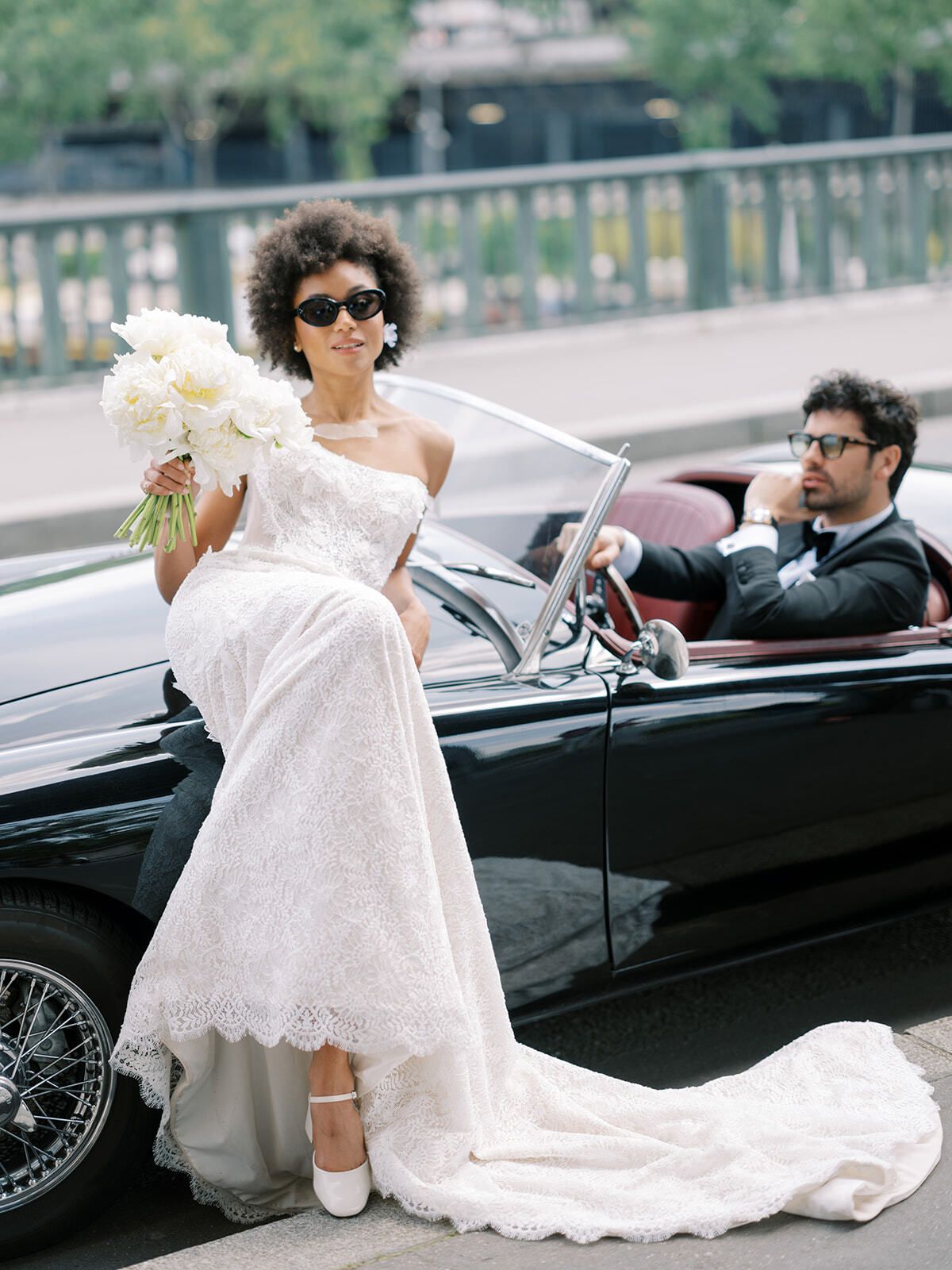
A wedding content creator captures the day the way guests experience it: short vertical videos, phone photos and behind-the-scenes moments, edited into Reels, TikToks and stories that the couple can share within hours rather than weeks. The role sits alongside the photographer and videographer, not in place of them. Where they create the lasting heirloom, the content creator delivers the immediate, social version of the day: the getting-ready laughter, the walk to the ceremony, the first sip of champagne.
To become a wedding content creator you need four things: a clear style, a reliable phone-based kit, a portfolio of wedding-day content, and a simple, well-written package with a contract that covers rights and delivery. Everything else, from pricing to destination bookings, grows from those. This guide walks through each step, with notes for photographers and videographers who would like to add content creation to what they already offer.
What does a wedding content creator do?
On the day, a content creator moves with the couple and their closest people, filming and photographing on a smartphone in a vertical format. Typical deliverables are:
- Same-day or next-day content: a few edited Reels or TikToks and a set of stories, often delivered within 24 to 48 hours.
- All raw clips and phone photos, shared through a link soon after the wedding.
- Behind-the-scenes coverage: the couple's friends, the vendor team at work, the venue coming to life.
- Optional extras: a teaser for the couple to post the same evening, content for the planner or venue, or a short vlog of the weekend.
The difference from a videographer is speed and point of view. A videographer composes a cinematic film delivered weeks or months later; a content creator works close and casual, in the moment, and edits for the small screen. Couples planning a destination wedding often love the role because the guests who couldn't travel can follow the celebration as it happens.
How to become a wedding content creator: step by step
1. Define your style and who it is for
Look at the couples and weddings you would most like to work with and decide how your content should feel: editorial and calm, joyful and fast, or documentary and intimate. A consistent colour and editing style makes your profile recognisable, and it helps planners imagine you at their weddings.
2. Build a reliable kit
Most content creators work with a recent flagship smartphone that films in 4K, plus a few essentials:
- A second phone as a backup and for a different focal length.
- A small gimbal for smooth walking shots, and a clip-on wireless microphone for vows, speeches and voice-overs.
- Power banks, spare cables and plenty of storage, with clips backed up to the cloud or a drive during quiet moments.
- A small, dimmable video light for the evening, used discreetly and only when the photographer and videographer are not shooting.
Export for vertical viewing: 1080 × 1920 pixels in a 9:16 format, with text kept away from the top and bottom edges where the app's buttons and captions sit.
3. Create a portfolio of wedding-day content
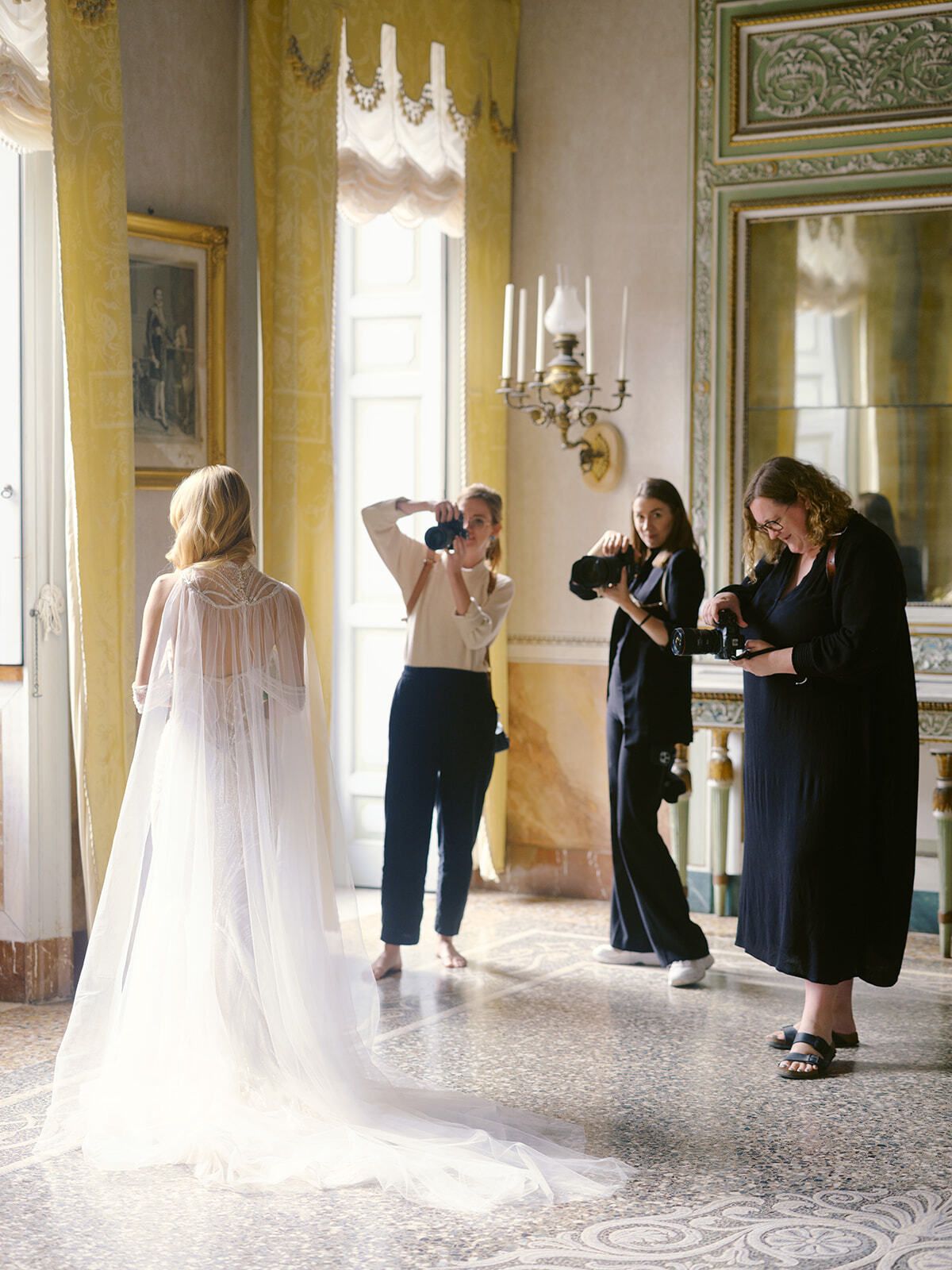
Couples and planners book from what they can see. Your first portfolio can come from friends' weddings, second-shooting alongside an established creator, editorial styled shoots and workshops at venues that already appear on couples' wish lists. Our guide to styled shoots covers what they cost and what they give you. Aim for a dozen strong Reels that each tell a small story, plus a highlights set on your profile for each wedding.
4. Write a clear package and contract
Put the details in writing before the wedding: hours of coverage, number of edited videos, delivery times, how raw files are shared, travel costs, and who may post what and when. Many couples prefer to post first, so agree whether you may share content on your own profile and after how long.
What to shoot on the wedding day
Think in short sequences rather than single clips. Each Reel needs an opening, a few beats of story and a close.
- Arrival and setting: the venue at its quietest, the view from the couple's room, the welcome signage.
- Getting ready: the dress on its hanger, buttons, cufflinks, the laughter with friends, the first look from the side.
- Details: stationery, rings, florals and the table before guests arrive. Our luxury wedding shot list is a good checklist here too.
- The ceremony from a guest's point of view: the walk down the aisle, the vows (recorded with the microphone), the confetti or petal exit.
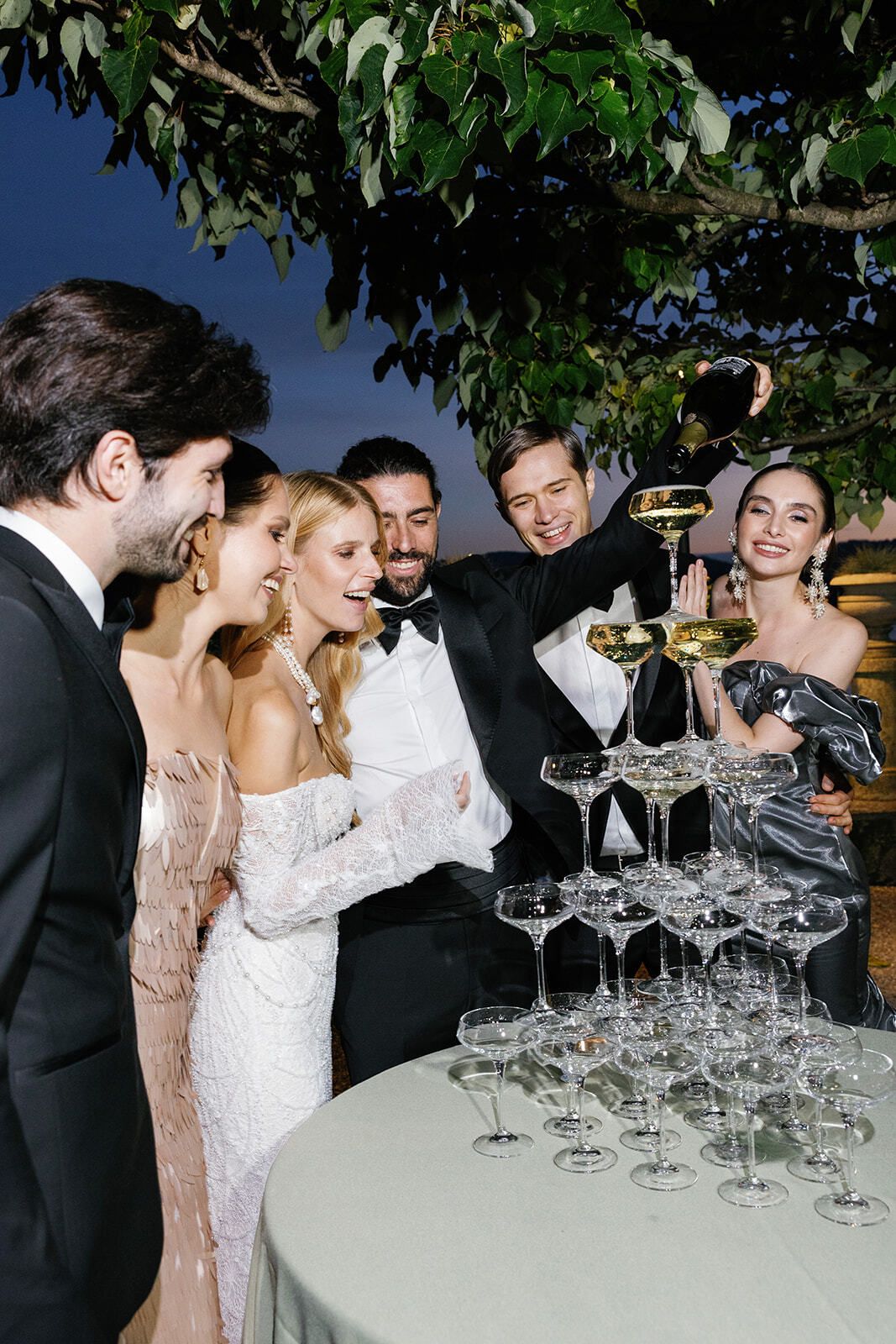
- Golden hour and the evening: a few seconds of the couple's portraits from behind the photographer, the first dance, the champagne tower, the dance floor.
Working alongside the photographer and videographer
The best content creators are welcome on every wedding team because they make everyone else's work easier.
- Introduce yourself early: send the photographer, videographer and planner a short note a week or two before the wedding with your timeline and your plan for the key moments.
- Stay out of their frames: during the ceremony and portraits, film from behind or beside the photographer, never in front. Ask before stepping into a set-up.
- Leave the posing to the photographer: capture the moments between their frames rather than directing the couple yourself.
- Credit generously: tag the venue, planner, photographer, florist and designers in everything you post. Their audiences are the couples and planners you would like to reach.
How much does a wedding content creator charge?
Prices depend on hours, the number of edited videos, turnaround and travel. As a reference, The Knot puts most full-day packages in the United States at around $1,000 to $2,500, with hourly options at some studios. A simple way to build your own packages:
1. Start from your day rate: hours of coverage plus the editing time for each delivered video.
2. Price speed separately: same-day delivery means editing during the reception, so it is worth more than next-week delivery.
3. Add extras as options: a rehearsal dinner, a welcome party, a second creator for large weddings, content for the venue or planner.
4. For destination weddings, list travel separately: flights, accommodation for the nights you need and local transport, so the couple sees one clear fee for your work.
Rights, permissions and music
Image rights
Agree in your contract how the couple's images and those of their guests may be used. In France, consent to being photographed or filmed is not the same as consent to the image being published: written permission, specifying where, why and for how long the image will appear, is the safest proof. Treat children with particular care and ask both parents.
Music
Music on Instagram is licensed for use inside Meta's apps. Business accounts can only use a smaller library cleared for commercial use, and in-app music cannot be reused on your website or other platforms. When you deliver files for the couple to post, leave the music choice to them or use tracks you have licensed.
Shooting in public places abroad: the Paris example
Destination content often moves from the venue into the city, and cities set their own rules. Paris is a good example, and a favourite setting for couples' portraits.
- The City of Paris covers photo shoots as well as filming. A small team of up to ten people with light equipment, working only in streets and on bridges without reserved parking, files a free prior declaration with Paris Film at least a week (five working days) ahead. Prior declarations do not cover shooting after 11 pm.
- Parks, gardens and anything larger need a full application on the city's AGATE platform at least three weeks ahead, which may carry fees. Some gardens, including the Tuileries and the Palais-Royal, are not run by the city and have their own managers.
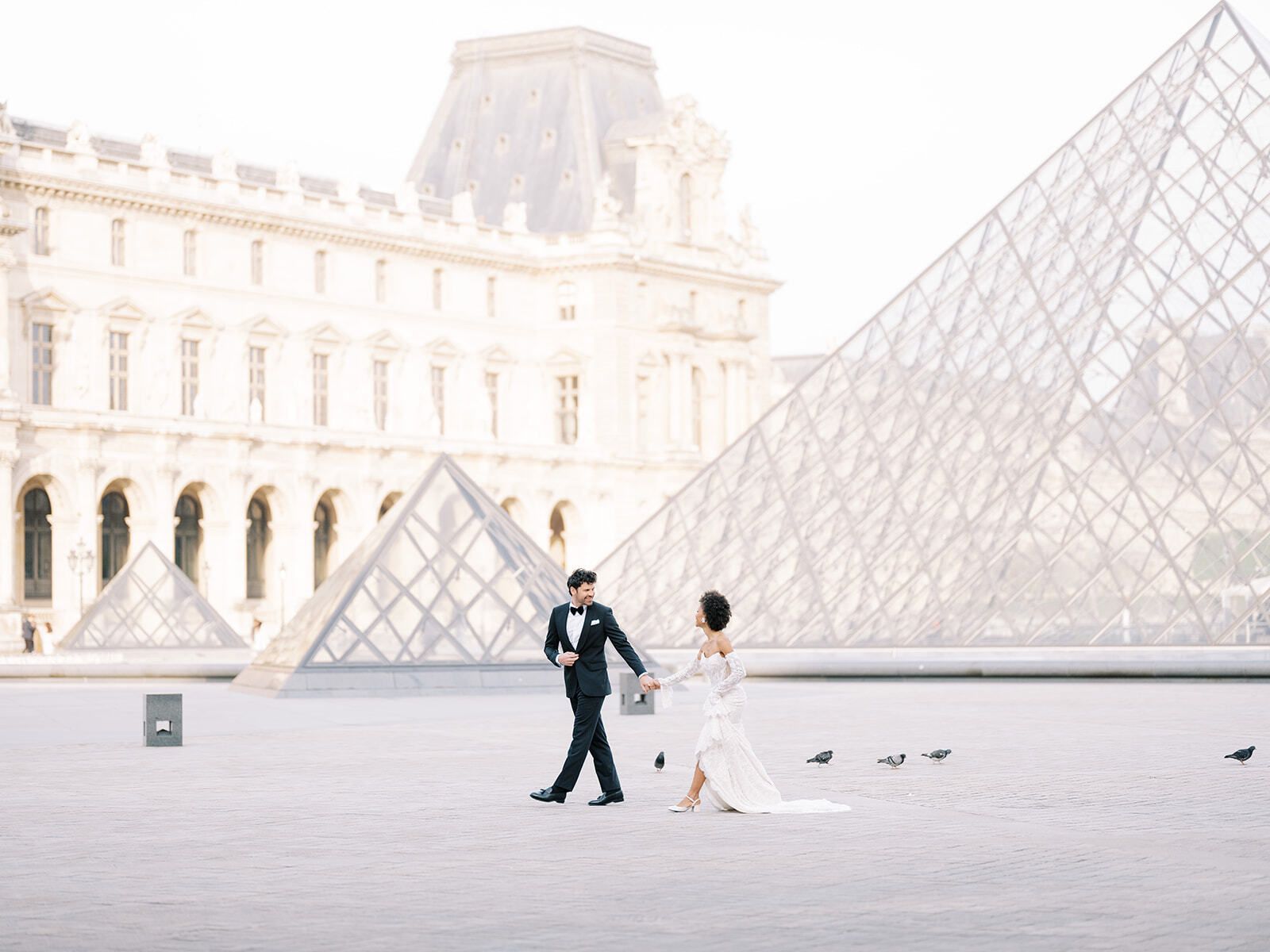
- The Louvre requires prior written consent for any professional photography or filming on its grounds; requests go to its filming team (tournages@louvre.fr).
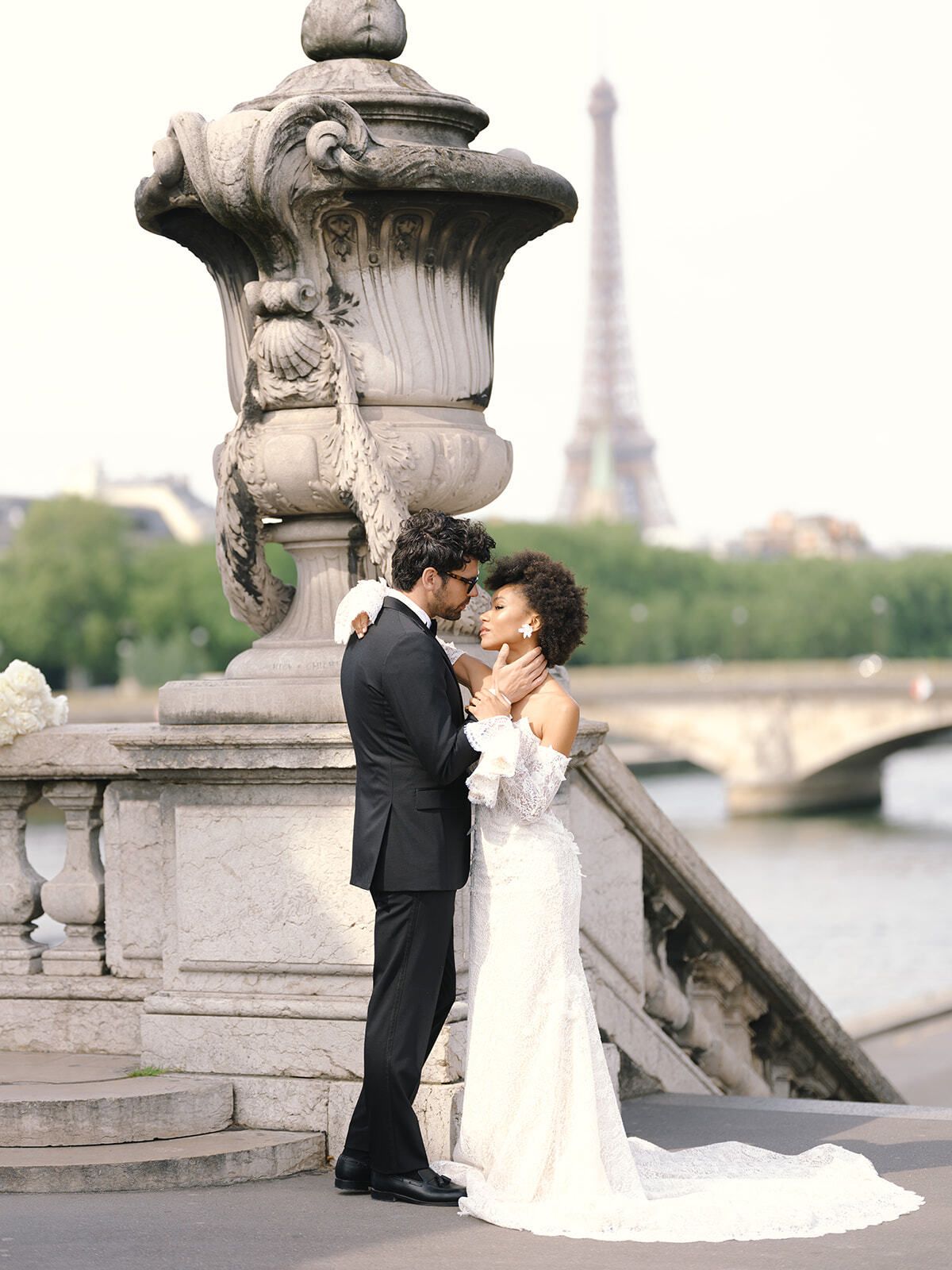
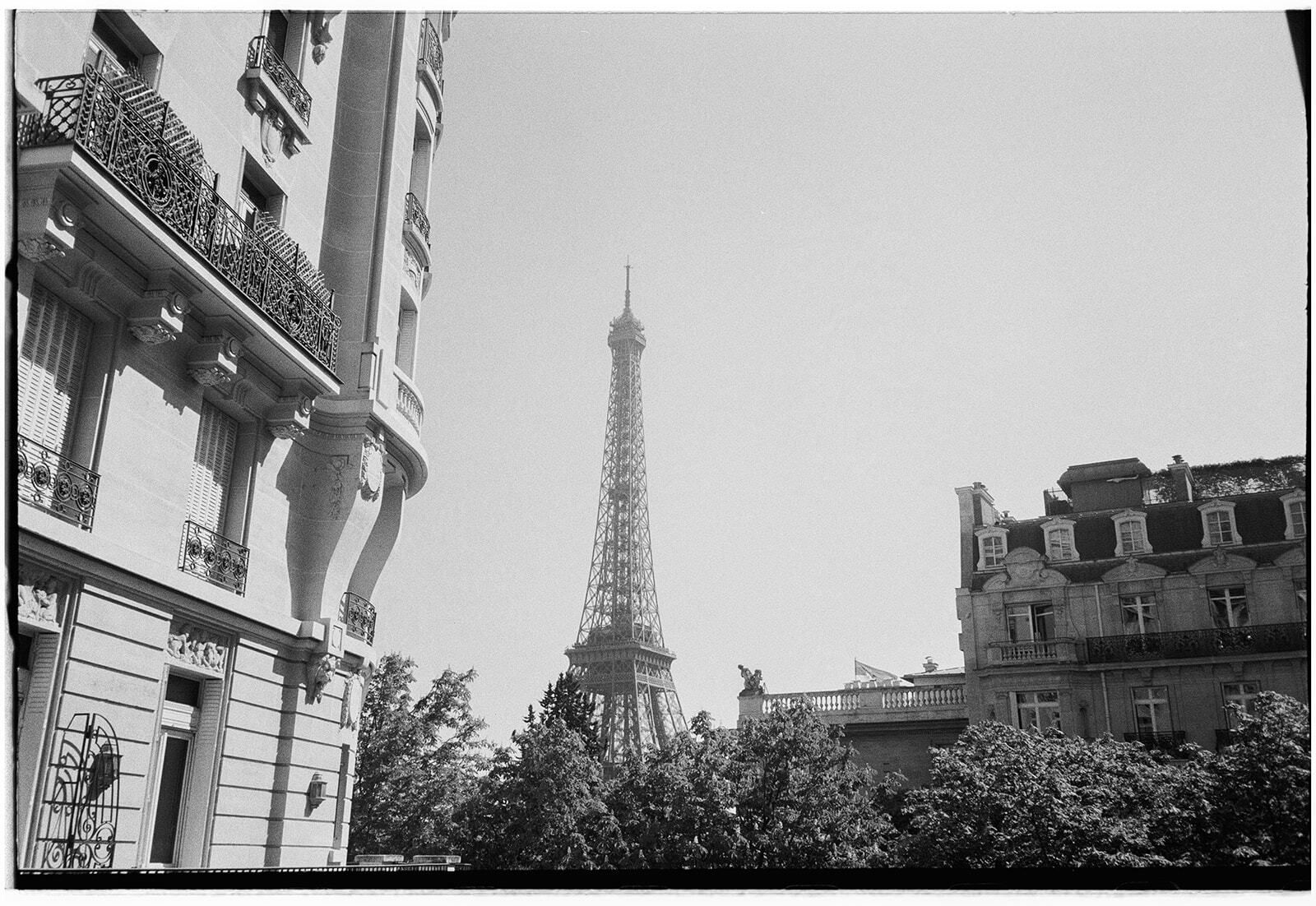
- The Eiffel Tower is free to photograph by day; image rights apply to its night illuminations.
- Drones are not allowed over Paris without a special exemption, and breaking drone safety rules in France can lead to heavy fines.
Whichever city you work in, check its film office before you travel, keep your insurance certificate to hand, and ask the planner what has already been arranged for the couple.
If you're a photographer or videographer adding content creation
Content creation can be a natural extra in your packages, delivered by you or by a creator you trust. Offer it as a separate role on the day, because filming vertical content while you shoot the main coverage rarely serves either well. A teaser Reel from your own edit, delivered within a few days, is a lovely middle ground for couples who would like a little of both.
Building a destination portfolio
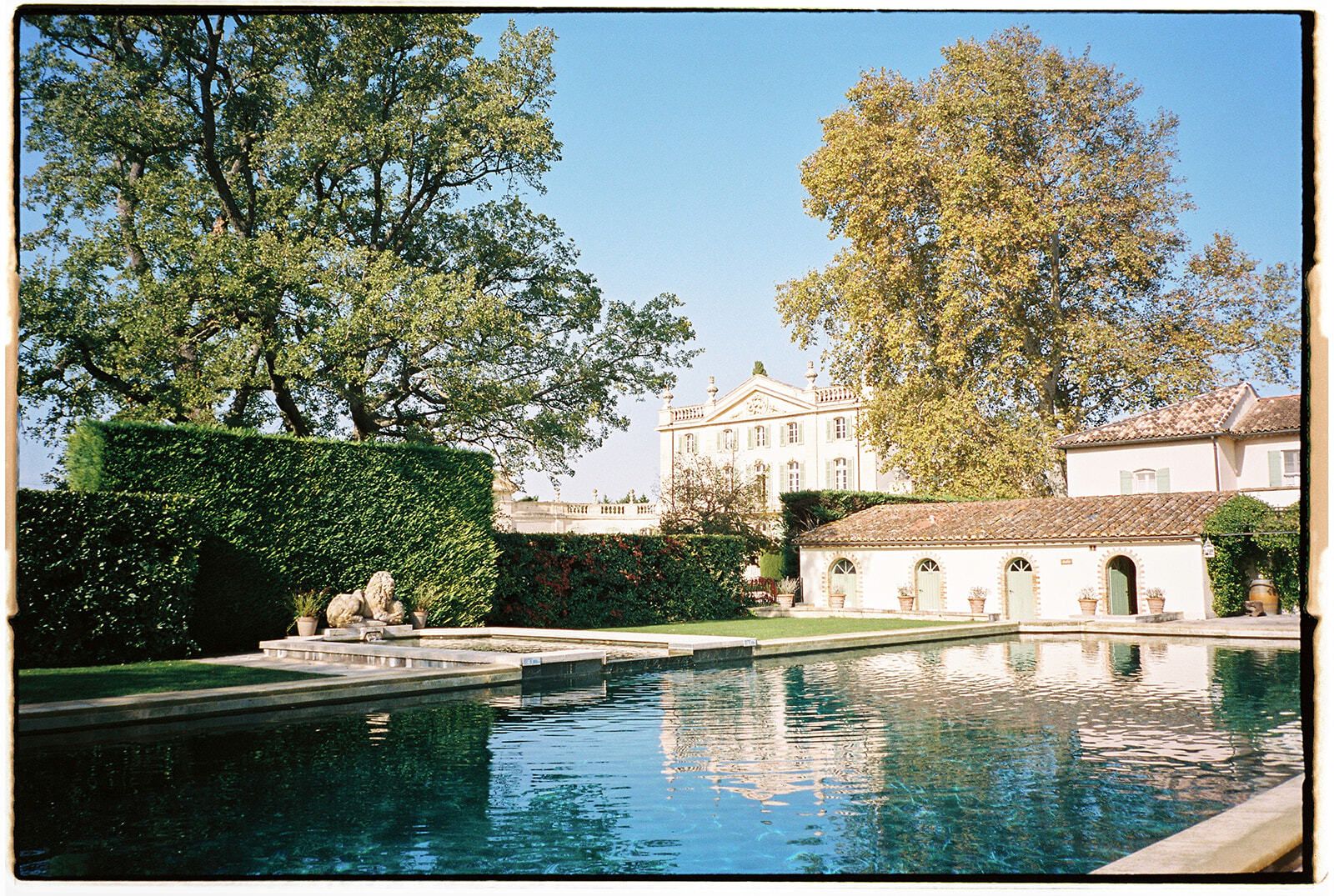
Destination couples search by place. A profile that moves confidently from a Lake Como villa to a Paris courtyard tells them you are at home wherever they would like to marry. Content creators are welcome at our one-day Paris workshop on 21 April 2027, where small groups rotate through the Louvre in morning light, the Palais-Royal garden and the Colonnes de Buren, a vintage car session and Eiffel Tower views, with couples styled in couture by wedding designers. For a complete château wedding day, from getting ready to the champagne tower, creators can also join us at Château de Tourreau in Provence on 28–29 April 2027. Early-bird prices for both run until 30 November 2026.
How to get booked as a wedding content creator
- Make your profile your portfolio: a clear line on who you are and where you work, pinned Reels from your favourite weddings, and highlights for each destination.
- Partner with planners and venues: planners often recommend the full creative team. Send a short, personal email with two or three Reels, the destinations you love working in and your availability for the coming season.
- Deliver for the whole team: a few clips for the planner, florist and venue after each wedding is the most natural way to be recommended again.
- Plan around the booking season: many couples confirm their creative team months ahead, so share your new work early in the year.
Your next step
A wedding content creator's portfolio grows with every wedding, shoot and collaboration. If you would like your next stories to be set at the Louvre or in a Provençal château, see all our upcoming workshops and choose the one that fits your plans.
Upcoming workshops for content creators
Paris
Early bird until 30 November
from €1,150
Dates & detailsChâteau de Tourreau
Early bird until 30 November
from €2,850
Dates & details
Questions
What is a wedding content creator?
A wedding content creator films and photographs the day on a smartphone, in a vertical format, and delivers edited Reels, TikToks and stories within hours or days, alongside the photographer and videographer.
Is a wedding content creator the same as a videographer?
No. A videographer creates a cinematic film delivered weeks or months later. A content creator works close and casual, edits for social media and delivers quickly, often the same day or the next.
How much does a wedding content creator cost?
It depends on hours, the number of edited videos, turnaround and travel. In the United States, The Knot puts most full-day packages at around $1,000 to $2,500; destination weddings add travel and accommodation.
Do I need a permit to shoot wedding content in Paris?
The City of Paris covers photo shoots as well as filming. Small teams working in streets and on bridges file a free prior declaration at least a week ahead; parks, gardens and larger shoots need a full application, and sites such as the Louvre have their own rules.
Can content creators join Sparkling Moments workshops?
Yes. Content creators are welcome at our Paris workshop on 21 April 2027 and at Château de Tourreau in Provence on 28–29 April 2027.