
Wedding planner courses and certification: what's worth it for luxury and destination weddings
What a wedding planner course teaches, what a certification means to couples and venues, and how planners combine training with hands-on workshops at iconic European venues.
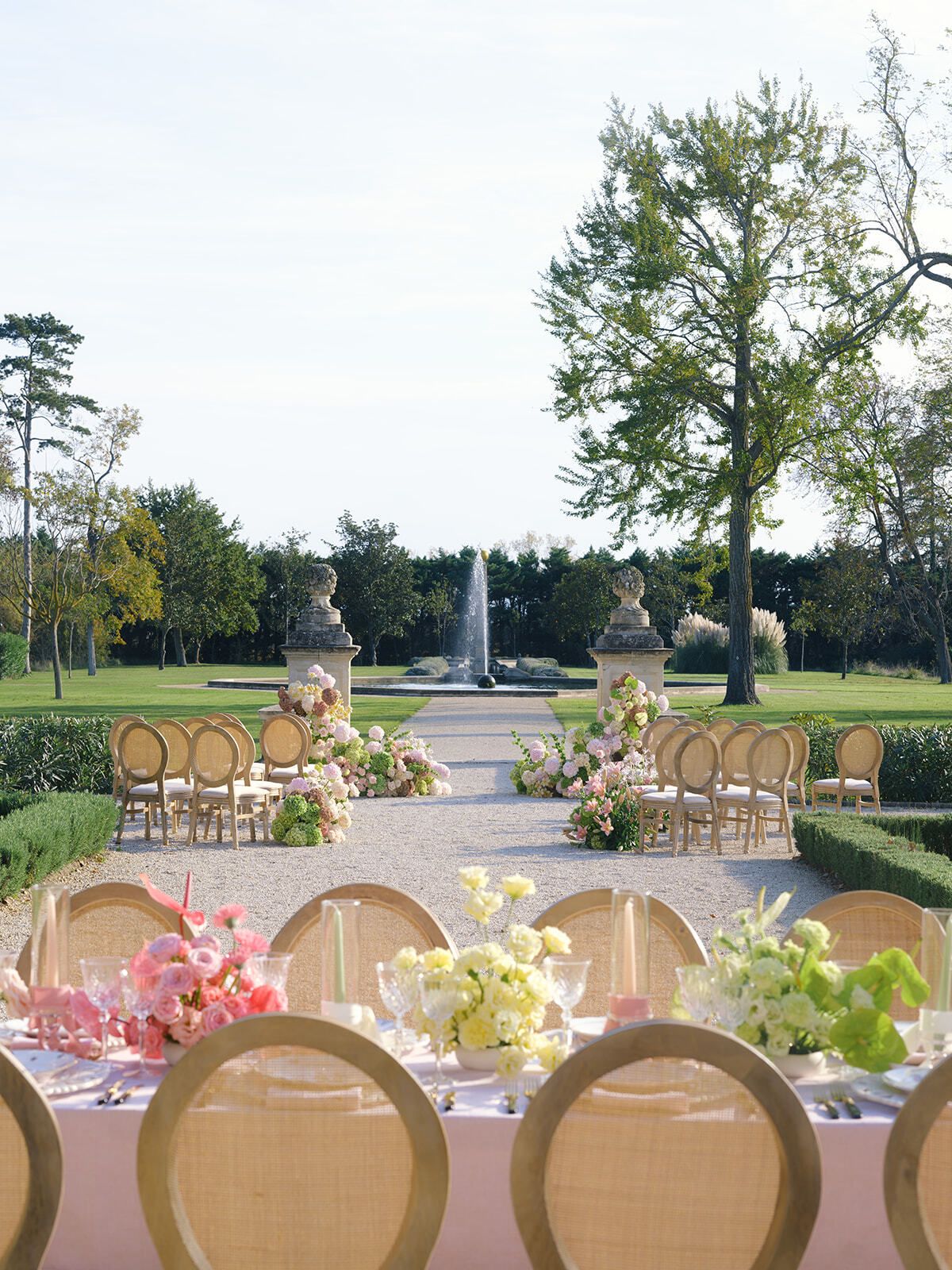
A wedding planner course teaches the foundations of the profession: budgets, timelines, contracts, vendor management, design and the business of running a planning studio. A wedding planner certification is the document you receive at the end, from the school, association or training company that runs the course. Both are valuable, yet couples planning a luxury or destination wedding rarely ask to see a certificate. They look at your portfolio, the venues you know, the partners you work with and the way you speak about their day.
So the wedding planner course most worth taking is the one that fits where you are heading. Many planners combine three things: a structured course for the fundamentals, a recognised certificate where it suits their market, and hands-on experience at the kind of venues they would love to work in, which is where workshops come in. This guide explains what each option gives you, how to choose between them, and how planners use our workshops at villas and châteaux across Europe alongside their training.
What does a wedding planner course cover?
Most courses, online or in a classroom, share a similar core:
- Planning foundations: budgets, timelines, run sheets, guest management and the order of a wedding day.
- Vendors and contracts: finding and briefing photographers, florists, caterers and venues, and the paperwork that holds it all together.
- Design and styling: colour palettes, tablescapes, ceremony set-ups, stationery and floral concepts.
- Business: pricing your services, proposals, client communication, marketing and building a brand.
- Specialisms: some courses add modules on destination weddings, cultural and religious ceremonies, or luxury events.
The differences lie in depth, format and who teaches. A course led by planners who still work on weddings every season brings fresh, real examples. One built around a single country's suppliers and paperwork is most useful if that is where you plan to work.
Wedding planner certification: what it means
A wedding planner certification is issued by whoever runs the course. There is no single, universal certificate for the profession, so the weight each one carries depends on who issues it and how well it is known in your market.
When a certificate helps
- Starting out or changing career: a structured programme gives you a framework and the vocabulary of the industry, and a certificate is a tidy way to show you have completed it.
- Working with venues, hotels and companies: some like to see formal training when they put together their list of recommended planners.
- Joining an association: professional associations often bring a directory listing, events and a network of peers.
What couples look for
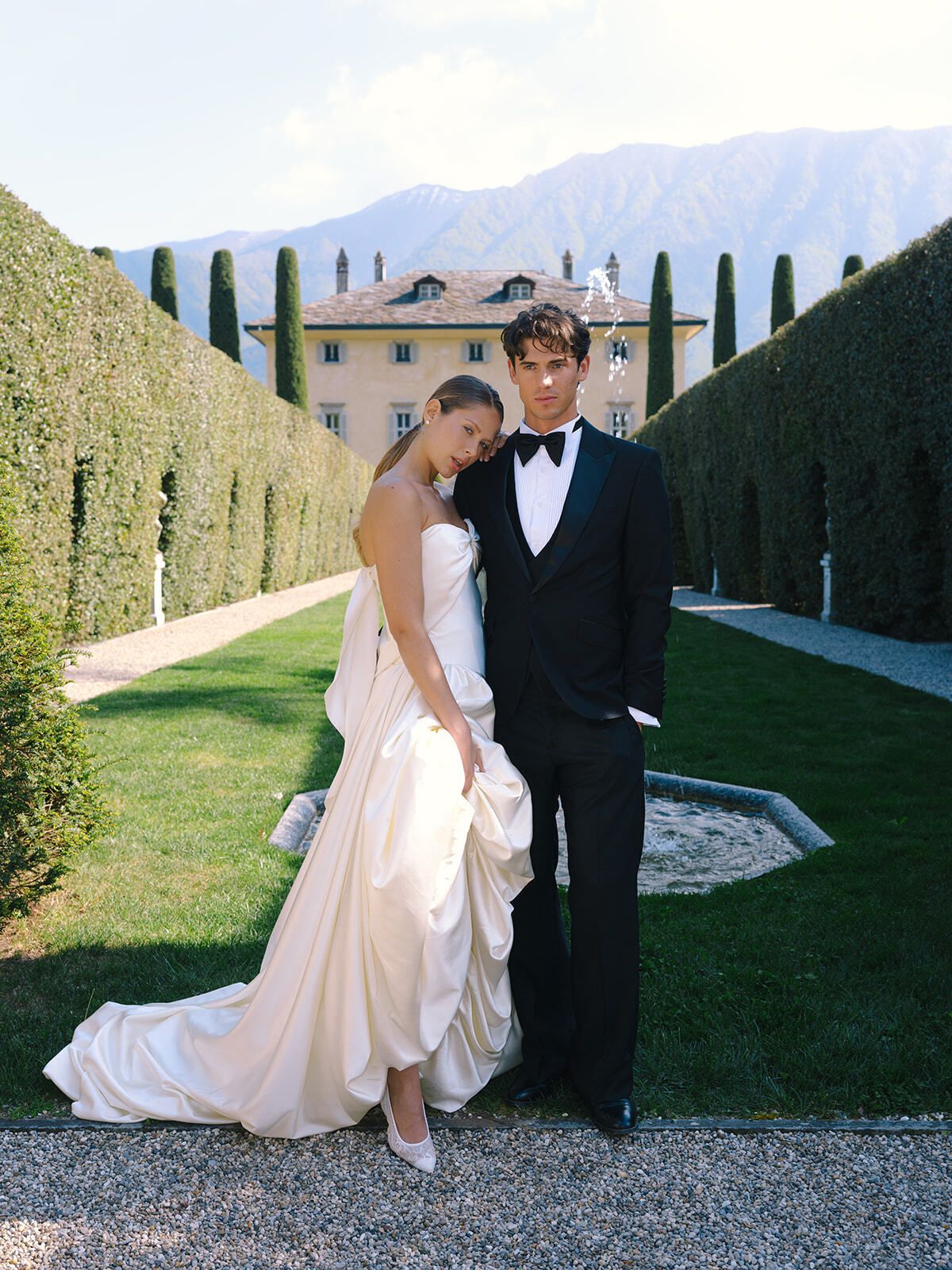
For couples, a certificate is reassuring, but it is rarely the reason they book. Luxury and destination clients choose a planner whose work they can picture at their own wedding: the ceremony by the lake, the long table in the château garden, the calm way the day unfolds. That is why the most sought-after planners pair their training with a portfolio of complete wedding stories. We cover that side in our guide on how to build a wedding planner portfolio.
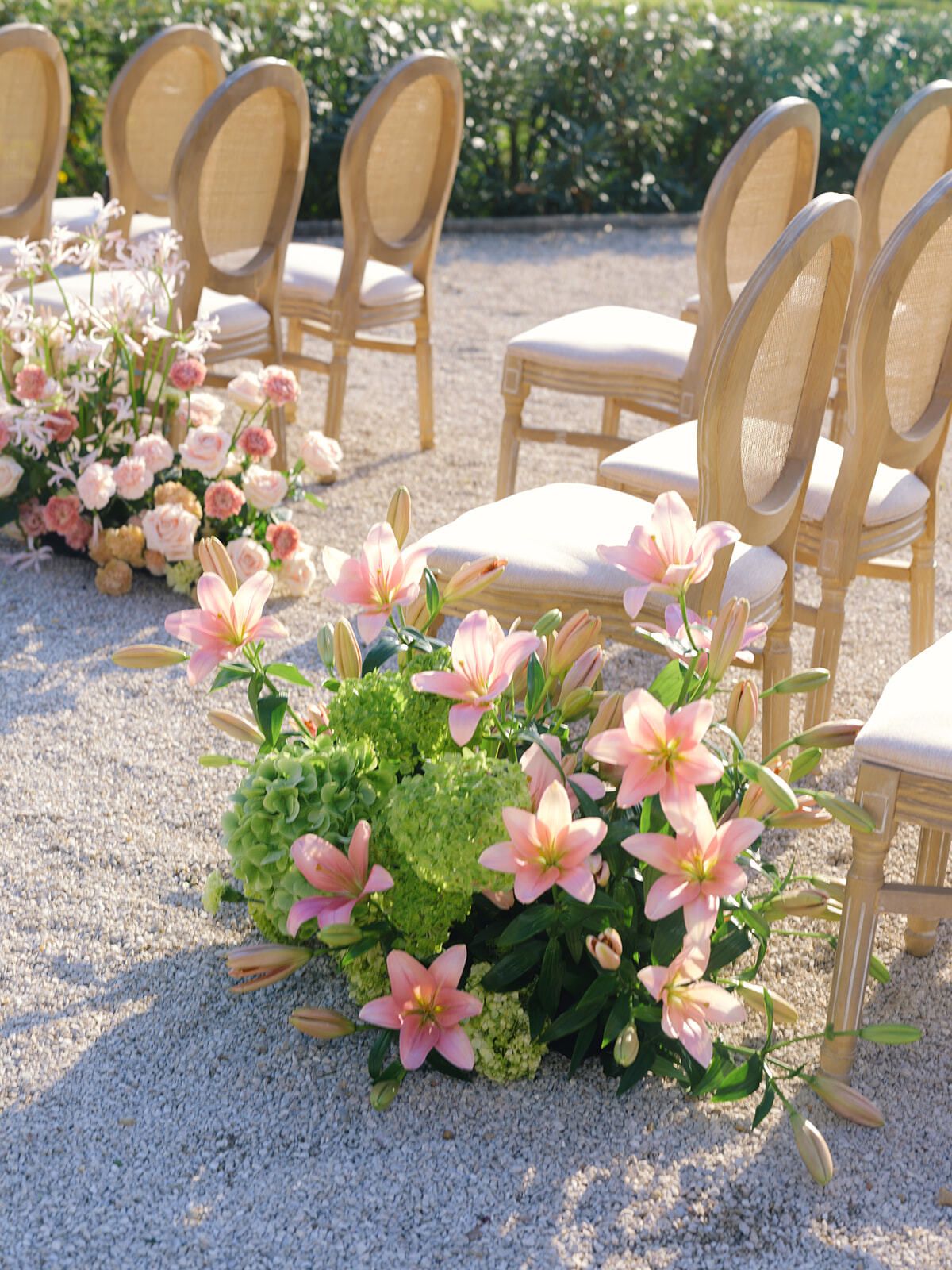
Types of wedding planner courses compared
Online courses
Self-paced online courses are the most flexible way to learn the foundations. You fit the modules around your clients, return to the material whenever you like, and often finish with a certificate. They suit planners who want structure and theory at their own pace.
In-person courses
Classroom programmes add live teaching, group work and the chance to meet other planners. They tend to be shorter and more intensive, and the friendships made there often last well beyond the course.
Mentoring
One-to-one mentoring with an established planner is the most personal option. It works beautifully once your first weddings are behind you and you would like guidance on pricing, positioning or moving into a new market.
Hands-on workshops
A workshop puts you inside a real set-up. At a wedding-day recreation you see a complete luxury wedding come together at a venue, work alongside photographers, videographers and florists, and leave with images of your work. It is less about theory and more about experience, network and portfolio, which is why many planners add a workshop after a course rather than instead of one.
How to choose a wedding planner course
A few questions make the choice clearer:
1. Where would you like to work? If destination weddings in Italy or France are the goal, look for training that includes them, and plan time at venues there.
2. Who teaches? Look for tutors who plan or create weddings now and can show you their recent work.
3. What do you leave with? A certificate, a set of templates, a portfolio of images, a network, or a mix. Choose the one that answers what you want next.
4. How does it fit your year? Online courses fit around clients; in-person courses and workshops ask for a few focused days, often just before the busy season.
5. What will your clients see? Think about how the course shows up on your website and in your proposals: a credential line, a new wedding story, a new venue in your portfolio.
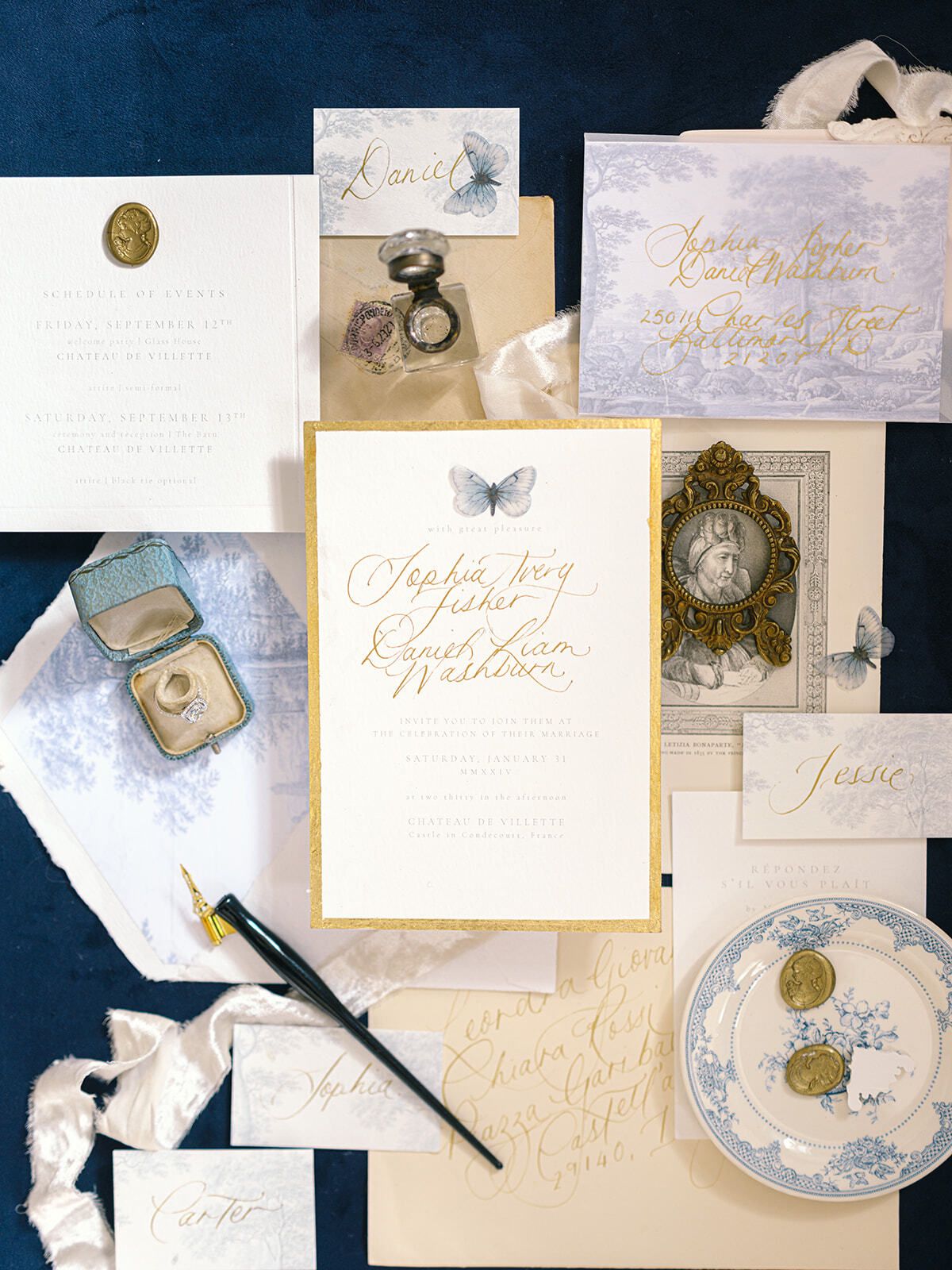
Training for destination and luxury weddings
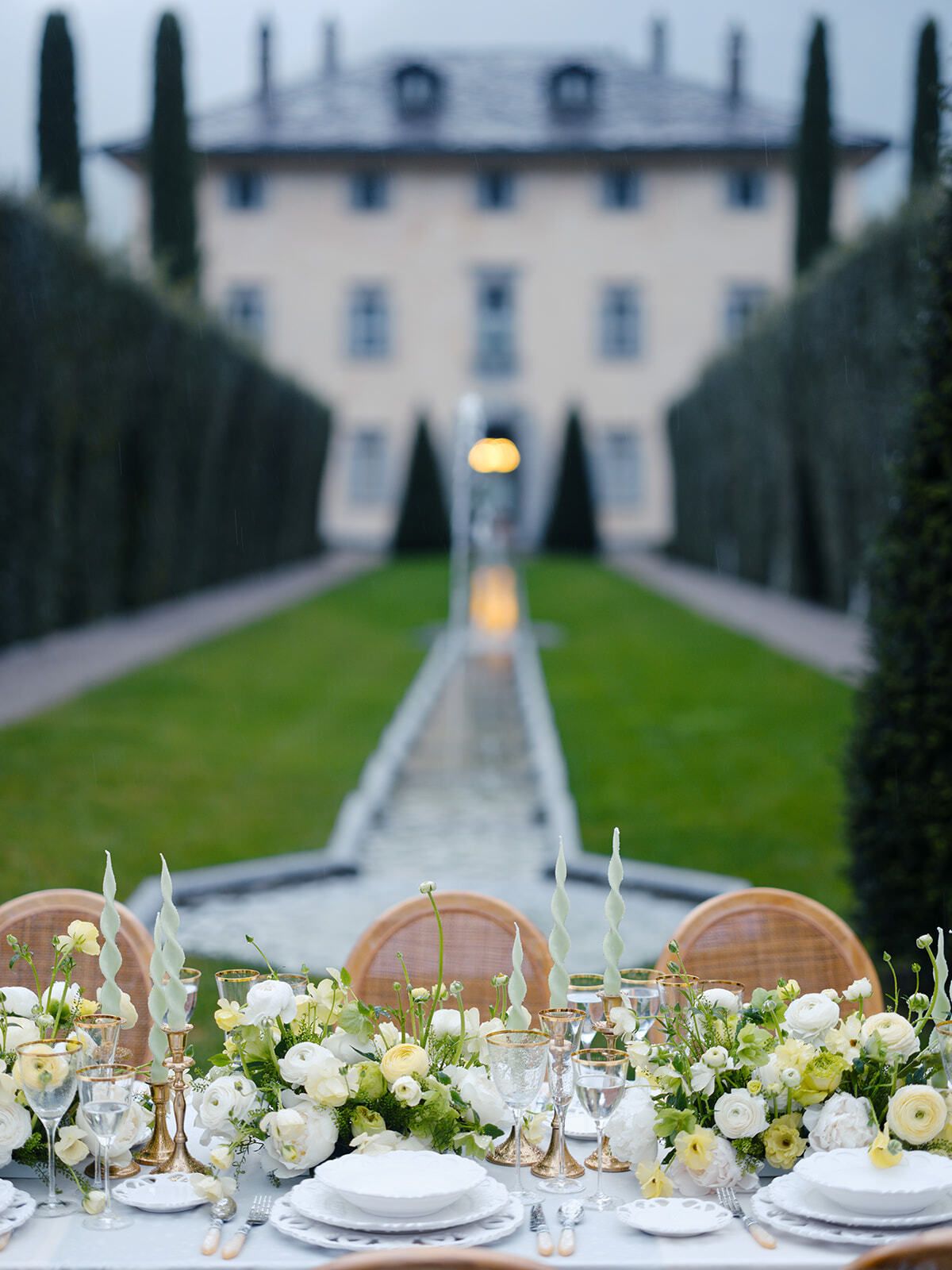
Destination weddings have their own craft: planning across languages and time zones, working with venue teams you may meet only a few times before the day, guiding guests through their travel, and designing for light, landscape and architecture that change from Lake Como to Provence. Much of it is learned on location.
Time at iconic venues adds three things to your training. You learn how a villa or château works on the day: where the light falls for the ceremony, how guests move from the terrace to the dinner table, how long a set-up takes in the gardens. You meet the creative partners you will want on your own weddings abroad. And you come home with images that show couples you are at ease in exactly the places they are dreaming of.
How planners use our workshops alongside a course
At Sparkling Moments we recreate complete luxury weddings at iconic European venues for wedding photographers, videographers and planners. Planners join as professionals, taking part rather than watching. Before the workshop we hold two calls: the first on the concept and the finer details such as tableware, flowers and décor, the second on the timeline of the day. Our team leads the main design, and your input shapes the details.
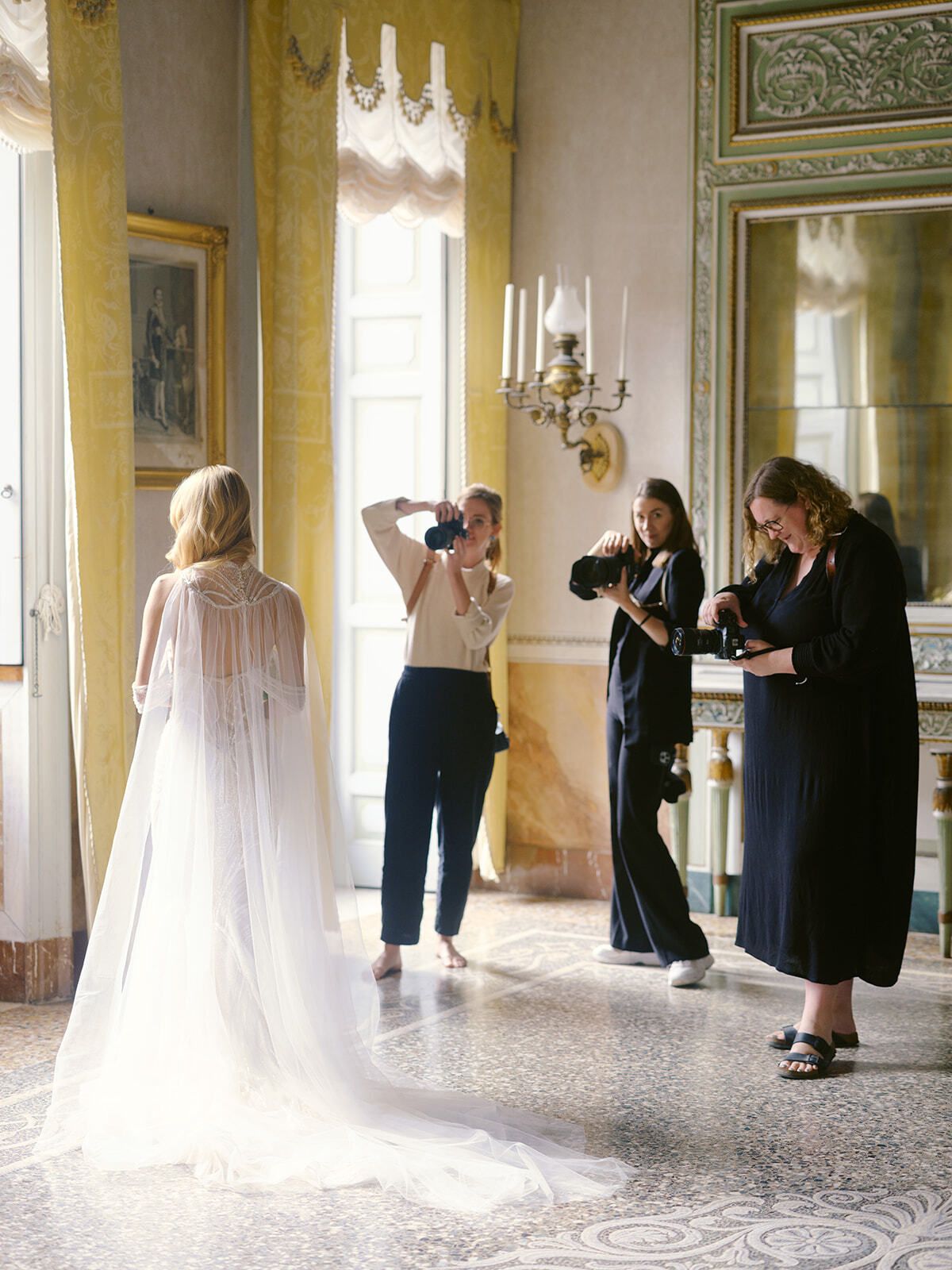
On the day you work inside a fully styled wedding in small groups of 4–5, from getting ready to the reception. Afterwards you receive a gallery from our lead photographer, Diana of Still Miracle, with the set-ups and images of you at work: styling the table, arranging details, working with the couple. You also meet photographers, videographers and other wedding creatives who may become partners on your own destination weddings. All our workshops are taught in English.
In spring 2027 planners can join us at two venues:
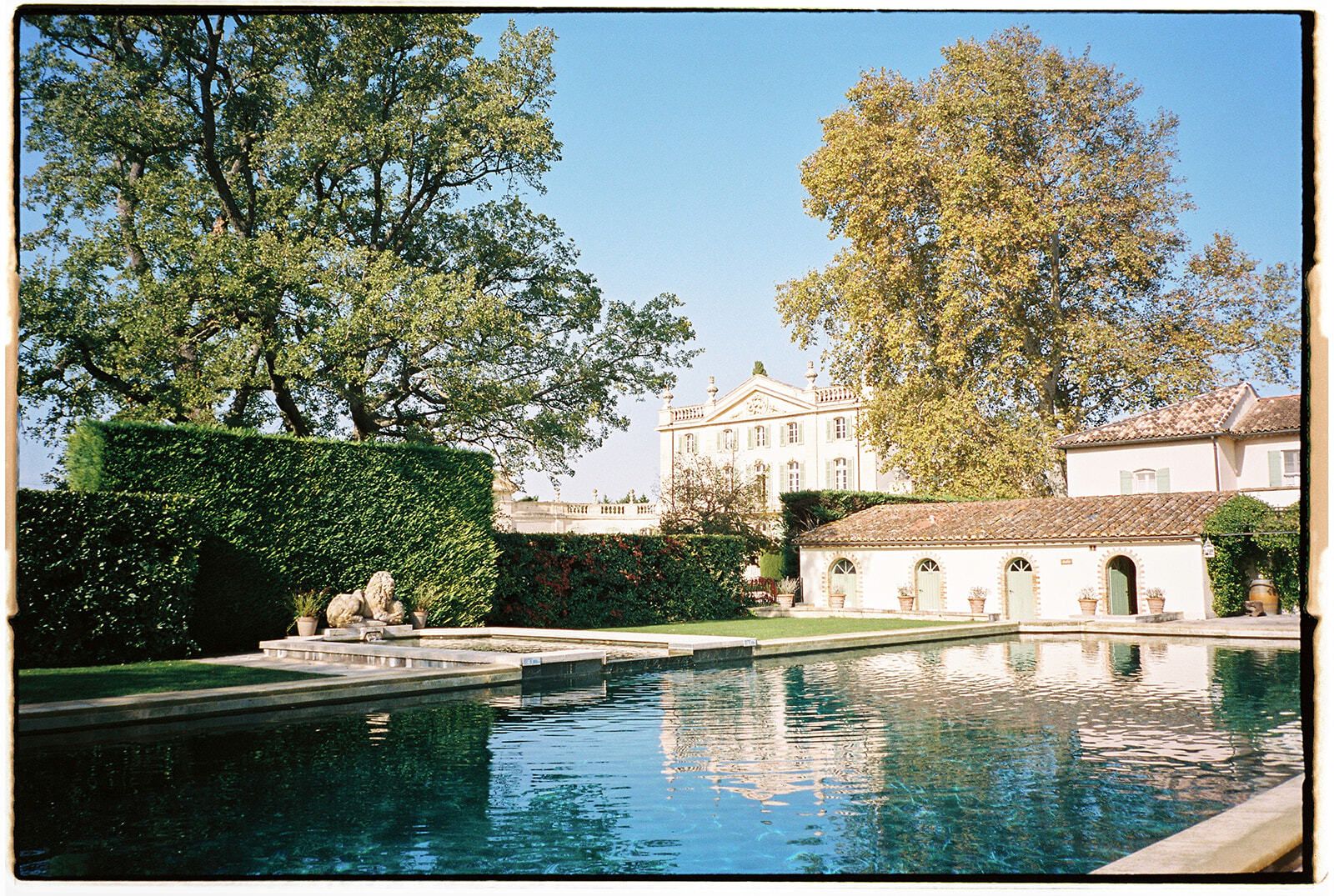
- Château de Tourreau in Provence, 28–29 April: a full château wedding day, followed by a morning of live editing with Diana and a business conversation with our team on marketing, personal branding and the luxury wedding industry. Everyone receives the full vendor list afterwards.
- Villa Balbiano on Lake Como, 5–6 May: a complete wedding day at the villa on 6 May, with the option to add the Gardens of Como and a private boat session on 5 May. Early-bird prices start at €3,350 until 30 November 2026.
Everything we offer planners is on our workshops for wedding planners page.
Your next step
The right wedding planner course is the one that moves you towards the weddings you want to plan. Learn the foundations in the format that suits you, choose a certificate if it serves your market, and give your training a setting: a villa terrace, a château garden, a team of creatives around you. To see where you could join us next, explore our upcoming workshops.
Upcoming workshops for planners
from €3,350
Dates & detailsfrom €2,850
Dates & detailsLisbon and the Portuguese coast
Early bird until 30 November
from €2,250
Dates & detailsChâteau de Tourreau
Early bird until 30 November
from €2,850
Dates & detailsVilla Balbiano
Early bird until 30 November
from €3,350
Dates & details

Questions
Do you need a certification to be a wedding planner?
In most countries no licence or certificate is required to work as a wedding planner. A course and certificate give you structure and a credential to show venues and companies, while couples mostly choose a planner by their portfolio, reviews and the venues they know.
Is an online wedding planner course or an in-person course better?
It depends on how you like to learn. Online courses are flexible and self-paced; in-person courses are shorter and more intensive and bring you into a group of peers. Many planners take one for the foundations and then add a hands-on workshop for experience and portfolio.
What should a destination wedding planner train in?
Beyond the foundations of planning, design and business: working with venue teams abroad, guest travel, and designing for the light and architecture of each place. Much of this is best learned on location, at the kind of venues you would like to work in.
Can wedding planners join Sparkling Moments workshops?
Yes. Planners join our spring 2027 workshops at Château de Tourreau (28–29 April) and Villa Balbiano (5–6 May) as professionals, with two planning calls beforehand and a gallery of their work from our lead photographer, Diana of Still Miracle.
Are Sparkling Moments workshops taught in English?
Yes, all our workshops are taught in English.
More careers guides
Careers
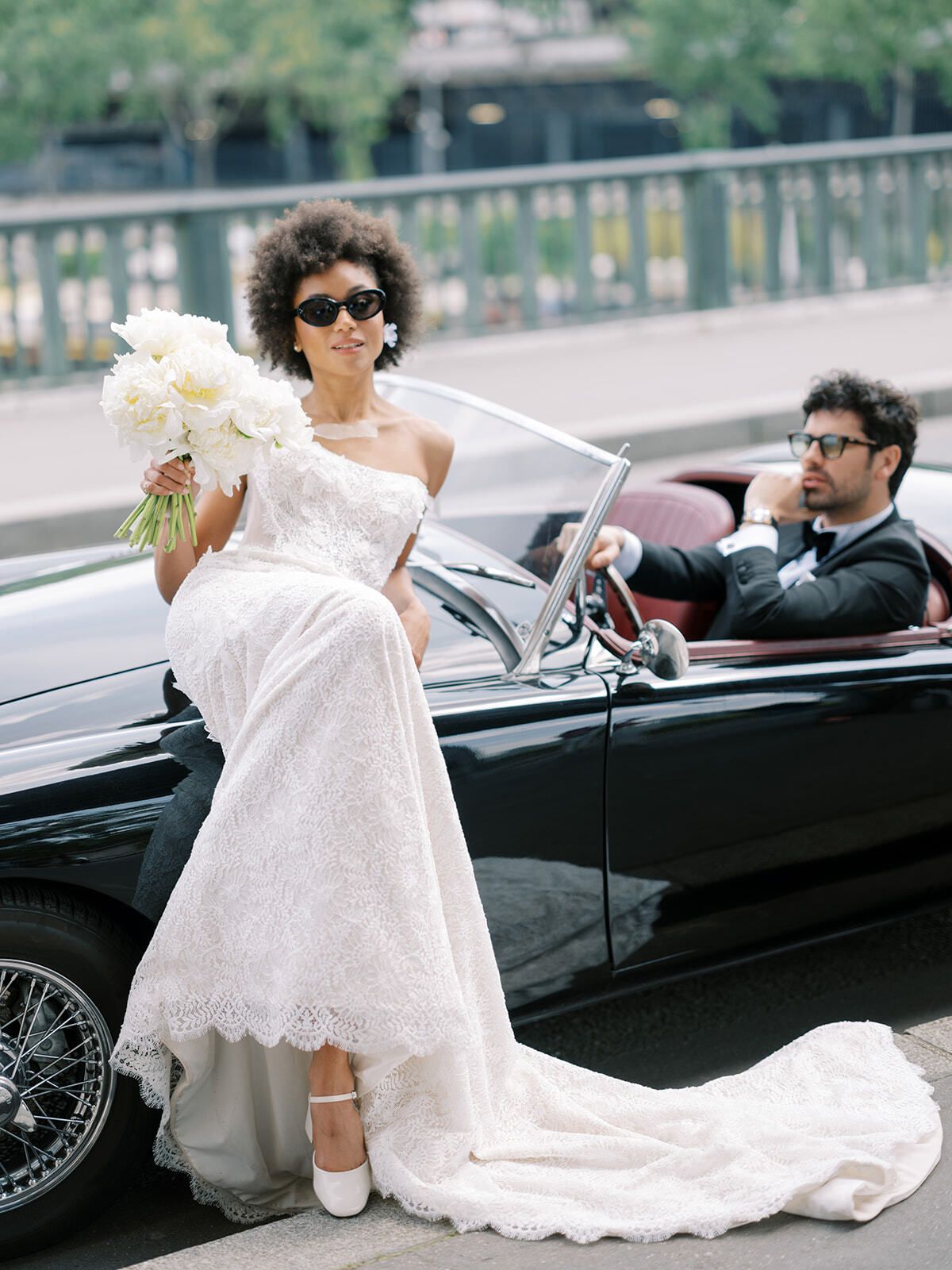
How to become a wedding content creator: the role, what to shoot and getting booked
What a wedding content creator does on the day, the kit and shot list, how to price packages, the rights and permits to know when you shoot abroad, and how to get booked for destination weddings.
Careers
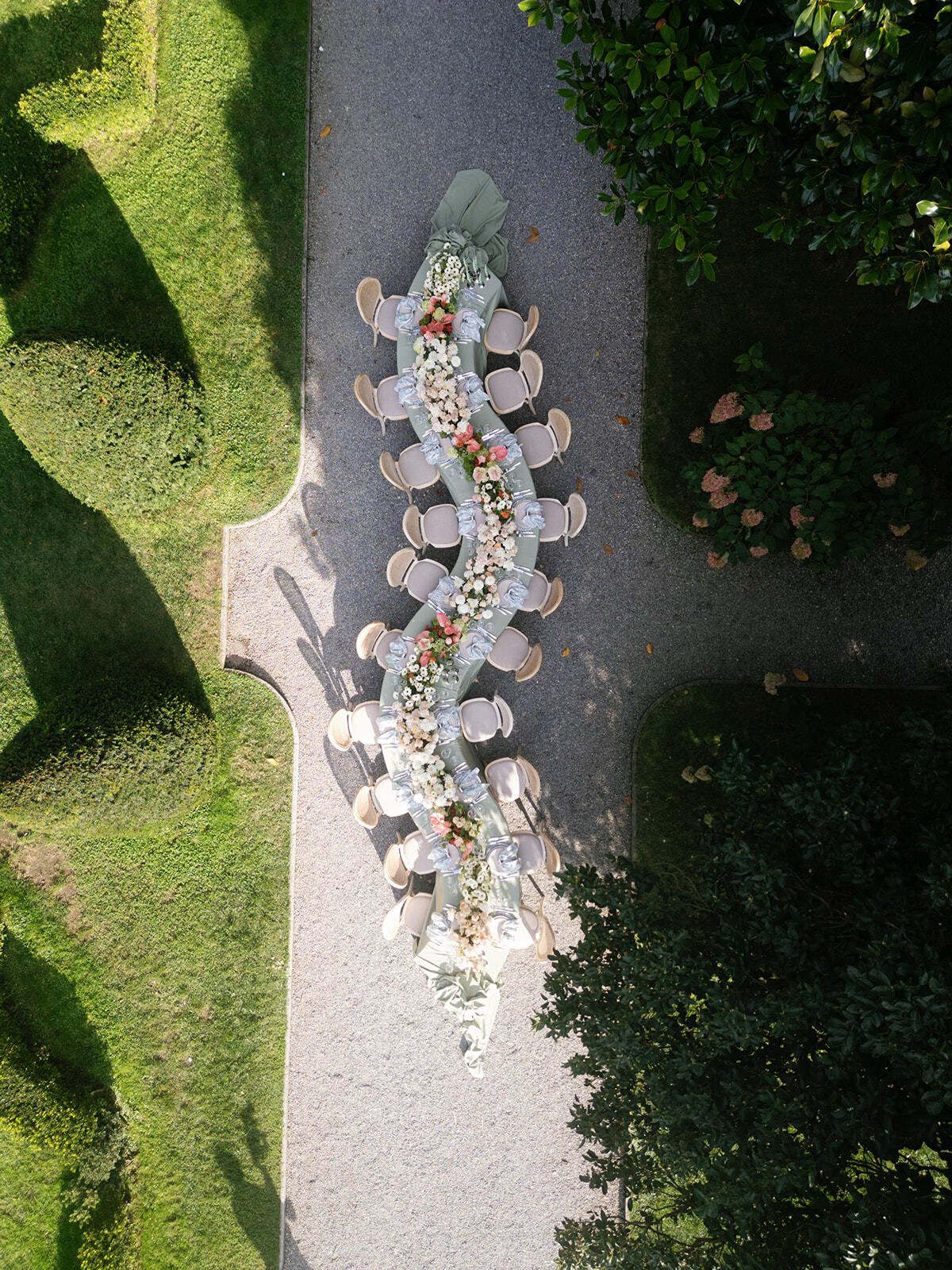
How to build a wedding planner portfolio for luxury and destination weddings
What a strong wedding planner portfolio includes, how to build one with real weddings, styled shoots and workshops at iconic venues, and where to show it to luxury and destination couples.